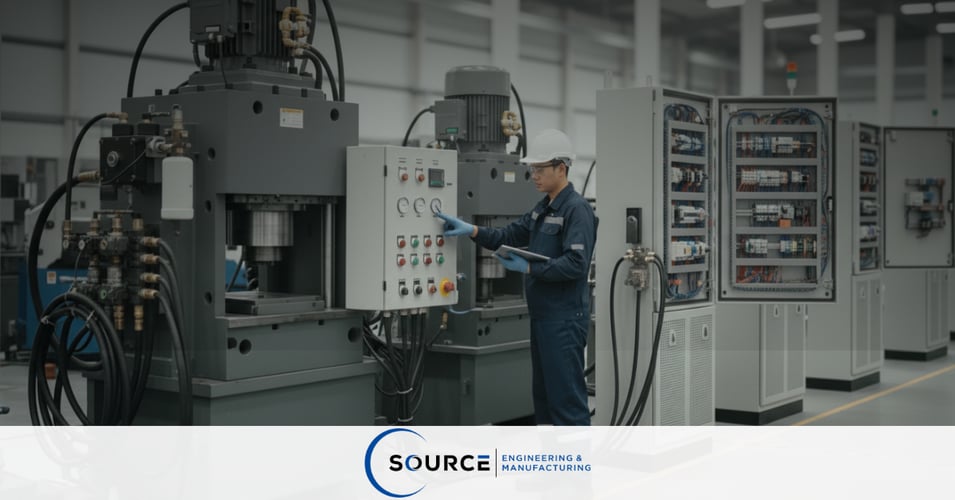
Mechanical assemblies are the essential building blocks of automated machinery, translating individual components into functional machines, systems, and final products. In the demanding environment of modern manufacturing, understanding the composition and implementation of these assemblies is crucial to producing reliable and high-quality goods. When evaluating a production line or developing custom automation, specialized expertise in Electrical Mechanical Assembly is necessary to ensure every part functions perfectly within the larger system.
What are the different types of mechanical assemblies?
Mechanical assemblies are groups of interconnected parts and hardware designed to perform a specific function within a machine system. The components and hardware used to construct these assemblies form the core foundation of industrial automation systems.
In essence, a mechanical assembly is defined by how various discrete elements come together to create a cohesive unit. These elements are combined to create integrated components and sub-systems that are necessary for machine building.
- Subassemblies: These are smaller, complex groups of parts that function as units and are incorporated into larger systems. For instance, a gearbox or a motion control slide stage represents a complex subassembly that becomes a single component for the higher-level assembly.
- Complete Assemblies (Machine Systems): These are the comprehensive structures that integrate various electrical and mechanical components into a whole machine or automated line. Examples include industrial robots, conveyor systems, or assembly machines.
Objective information regarding what constitutes various Types of mechanical assembly is vital for reliable system specification.
What are some common examples of mechanical assemblies used in everyday products?
Mechanical assemblies are pervasive, ranging from simple consumer products to sophisticated industrial devices. In consumer electronics and appliances, assemblies incorporate machine elements like bearings, gearing, and linkages to achieve precise movement or functionality.
For industrial applications, assemblies are complex, organized structures used to move parts, position tooling, or process materials. Common industrial examples include:
- Conveyors: These machine systems are assemblies of motors, rollers, belts, and structural components designed entirely to move materials from one location to another.
- Actuators: These assemblies translate electrical or fluid power (pneumatics and hydraulics) into motion, such as linear actuators, motors, or controllers used to manipulate tooling or position parts.
- Mistake-Proofing Machines: Specialized machinery, such as the multipurpose assembly and mistake-proofing device known as the “SmartBench,” requires complex mechanical assembly to ensure that components are precisely handled and verified at each stage.
The complexity of these assemblies demands careful design and robust construction, confirming that they adhere to all necessary technical specifications, regardless of what Types of mechanical assembly are being produced.
What are the different types of assembly drawings, and how do they vary in purpose?
Drawings are essential tools for conveying fabrication information and defining the correct methods for connecting components. In mechanical assembly, different drawing types serve distinct purposes for design communication:
- Assembly Drawings: These schematics illustrate how various parts fit together to form the final assembly. They are critical for understanding the overall product architecture and the relationship between different subcomponents.
- Exploded Views: This type of assembly drawing visually separates the parts in sequential order, showing the relative position of each component as it is meant to be assembled. They clearly communicate the final arrangement and sequence needed for building the unit.
- Schematic Diagrams: These functional drawings often depict the electrical or pneumatic connections required for the operation of the assembly, aiding technicians in wiring and troubleshooting.
Accurate and standardized communication through detailed Types of assembly drawing is foundational to reliable manufacturing and commissioning processes.
What are the types of mechanical drawings?
For complex automated machinery, two fundamental types of mechanical drawings guide the entire process, supporting both the fabrication of individual elements and the final construction of the whole system:
- Detail Drawings: Also known as piece-part drawings, these are comprehensive graphic documents that convey all necessary information for the fabrication of a single, non-standard component. They include precise dimensions, tolerances, material specifications, and finishing requirements, ensuring the part is manufactured exactly as designed.
- Assembly Drawings: These illustrations show multiple parts arranged correctly, confirming how detailed parts, subassemblies, and standard commercial components (like motors or sensors) integrate to form the completed unit or system. They serve as the master reference for the build team.
Both Types of mechanical drawing are crucial for translating complex engineering designs into tangible, functional hardware.
What are some common joining methods used in mechanical assemblies?
The successful completion of mechanical assemblies relies on various methods for physically attaching components, ensuring stability, durability, and functionality. These techniques typically fall under the banner of fastening and joining operations.
Common joining methods include:
- Fastening with Hardware: This involves the use of mechanical fasteners like bolts, screws, and rivets to physically hold parts together. Fasteners provide robust, and often detachable, connections.
- Welding and Brazing: These permanent fusion methods are employed when maximum structural rigidity and strength are required, often forming robust structural bases or enclosures.
- Adhesive Bonding: This method uses specialized adhesives to join materials, frequently employed in industrial assembly operations where smooth seams or non-destructive connections are preferred.
Selecting the appropriate method depends on factors such as required strength, environmental exposure, material compatibility, and whether the connection needs to be serviceable later.
To ensure high-quality and reliable operation, mechanical assemblies must be meticulously documented and fabricated by experienced professionals. Partnering with a company that has extensive manufacturing experience ensures your project is handled with the precision and reliability required for complex automated systems.
Stop letting assembly challenges slow your production, dealing with integration issues, quality concerns, and delayed timelines. Partner with experts who have the solutions and experience you need. Contact Us now to discover how we can streamline your operations and accelerate your time to market.
.png?width=1584&height=396&name=BANNER%20SOURCE%20(2).png)
.png?width=400&name=Source%20Engineering%20Blog%20(2).png)