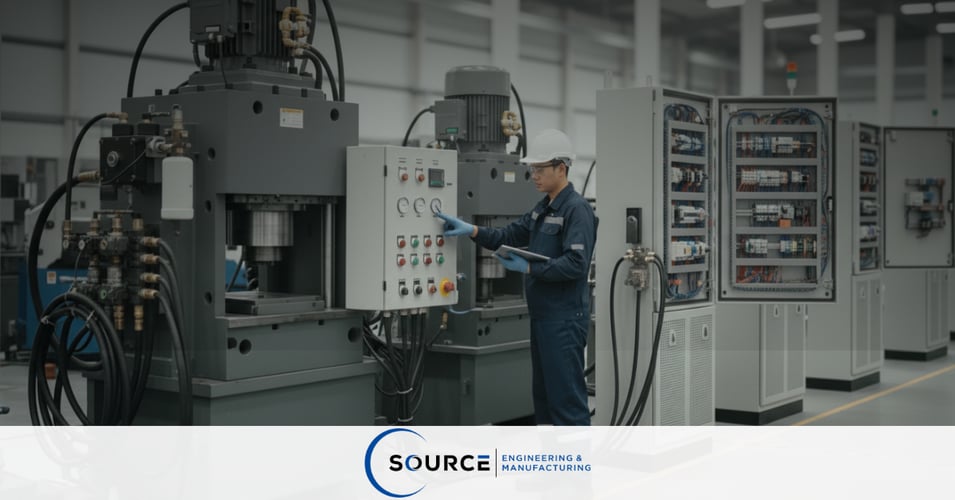
This topic is critical for manufacturers and engineers seeking to optimize production lines. Electromechanical assembly involves integrating electrical and mechanical components into cohesive systems, a process that presents unique obstacles. Understanding these challenges is essential for anyone working in Electrical Mechanical Assembly to maintain quality, efficiency, and safety standards.
What is the job description of an electro-mechanical assembly technician?
An Electromechanical Technician plays a vital role in the manufacturing process, responsible for assembling, testing, and maintaining complex systems that combine electrical and mechanical components. These professionals work with wiring harnesses, circuit boards, motors, sensors, and mechanical components to create functional systems.
The primary responsibilities include reading and interpreting technical drawings and schematics, performing precision work, conducting quality inspections, and troubleshooting assembly issues. Technicians must ensure that all components meet specifications and function correctly within integrated systems.
Skills and qualifications typically required include a technical diploma or associate degree in electronics or mechanical technology, hands-on experience with hand and power tools, proficiency in reading blueprints, strong attention to detail, and the ability to work with minimal supervision. Many employers also value certifications in specific manufacturing processes or quality control methodologies.
What are the common problems in mechanical engineering?
Mechanical engineering faces several recurring challenges that directly impact the electromechanical assembly process. Tolerance stack-up issues represent a significant concern, where small variations in individual component dimensions accumulate to create fitting problems during assembly. This can lead to misalignment issues or assemblies that require excessive force to complete.
Material compatibility issues frequently arise when different metals or plastics are combined, potentially causing galvanic corrosion, thermal expansion mismatches, or chemical reactions that compromise system integrity. Component wear and fatigue also present ongoing challenges, particularly in assemblies with moving parts subjected to repetitive stress.
Design-for-manufacturability gaps create additional obstacles when engineering designs don't account for practical assembly constraints. Complex geometries, inaccessible fastening points, or insufficient clearance for tools can dramatically increase assembly time and error rates, directly affecting production efficiency and quality outcomes.
What are the challenges of a mechanical engineer?
Mechanical engineers working in assembly environments face multifaceted challenges requiring constant adaptation. Balancing design intent with manufacturing reality is a primary challenge—what works in CAD software may prove impractical on the assembly floor due to tooling limitations or ergonomic constraints.
Managing component variability from different suppliers while maintaining consistent assembly quality demands exceptional problem-solving skills. Engineers must develop robust processes that accommodate normal manufacturing tolerances while identifying when variations exceed acceptable limits.
Keeping pace with rapidly evolving technologies presents another significant challenge. Engineers must continuously learn about new materials, fastening methods, automation technologies, and quality control techniques while maintaining productivity on current projects. The ability to troubleshoot unexpected issues quickly and implement successful solutions separates exceptional engineers from average performers.
What specific skills or certifications are most beneficial for someone looking to enter the electro-mechanical assembly field?
Essential technical skills include proficiency with precision measurement instruments like calipers, micrometers, and torque wrenches. Soldering expertise, both through-hole and surface mount, proves invaluable for electrical connections. Understanding pneumatic and hydraulic systems broadens employment opportunities.
Beneficial certifications include IPC-A-610 for electronic assembly acceptability, IPC/WHMA-A-620 for cable and wire harness assembly, and Six Sigma Green Belt for quality improvement initiatives. OSHA safety certifications demonstrate commitment to workplace safety protocols.
Practical experience through internships, apprenticeships, or vocational training programs provides irreplaceable hands-on knowledge. Continuous learning through industry workshops, manufacturer training programs, and technical courses helps professionals stay current with emerging technologies and best practices in the field.
What are some safety tips to keep in mind when using mechanical assembly tools?
Always wear appropriate personal protective equipment, including safety glasses, cut-resistant gloves when handling sharp components, and hearing protection in high-noise environments. Inspect tools before each use to ensure they're in proper working condition with no damaged cords, loose components, or excessive wear.
Use tools only for their intended purpose and follow manufacturer guidelines for operation and maintenance. Ensure proper grounding of electrical tools to prevent shock hazards, and never bypass safety features or guards. Maintain a clean, organized workspace to minimize trip hazards and prevent foreign object contamination in assemblies.
Participate in regular safety training and stay informed about Material Safety Data Sheets for chemicals and compounds used in the assembly process. Report any unsafe conditions immediately and never attempt to operate unfamiliar equipment without proper training and authorization.
Is electromechanical engineering the same as mechatronics?
Is electromechanical engineering the same as mechatronics? While closely related, these disciplines have distinct focuses and scopes. Electromechanical engineering traditionally emphasizes the integration of electrical and mechanical systems, focusing on motors, actuators, switches, and similar components that convert electrical energy to mechanical motion or vice versa.
Mechatronics represents a broader, more modern discipline that combines mechanical engineering, electronics, computer science, and control systems. Mechatronics engineers work extensively with microcontrollers, sensors, sophisticated control algorithms, and robotics, creating intelligent systems capable of autonomous operation.
Understanding these distinctions significantly impacts career trajectories. Electromechanical roles often involve hands-on assembly, maintenance, and traditional manufacturing processes. Mechatronics positions typically require stronger programming skills, systems integration knowledge, and experience with automation technologies. Both fields offer rewarding careers with overlapping skill sets but different emphasis areas.
Assembly language examples list relevant to electromechanical systems
Assembly language examples list for electromechanical systems typically includes low-level programming languages used to control embedded processors and microcontrollers. Common examples include ARM Assembly for modern embedded systems, x86 Assembly for industrial PCs, and PIC Assembly for Microchip microcontrollers.
AVR Assembly language is frequently used in Arduino-based prototyping and smaller-scale automation projects. 8051 Assembly remains prevalent in legacy industrial control systems. These languages provide direct hardware control, enabling precise timing for motor operations, sensor data acquisition, and real-time system responses.
In practical applications, assembly language controls stepper motors with exact timing sequences, manages interrupt handlers for safety systems, and optimizes critical performance bottlenecks in control loops. While higher-level languages like C and C++ dominate modern development, understanding assembly language helps engineers troubleshoot low-level hardware issues and optimize performance-critical code sections in electromechanical systems.
What are some common challenges faced during the electromechanical assembly process?
What are some common challenges faced during the electromechanical assembly process? This question is highly relevant for manufacturers and engineers focused on optimizing production efficiency and reliability. Electromechanical assembly involves integrating electrical and mechanical components into cohesive systems, a process that presents unique obstacles. Understanding these challenges is essential for anyone working in Electrical Mechanical Assembly to maintain quality, efficiency, and safety standards.
What is the job description of an electro-mechanical assembly technician?
An Electromechanical Technician plays a vital role in the manufacturing process, responsible for assembling, testing, and maintaining complex systems that combine electrical and mechanical components. These professionals work with wiring harnesses, circuit boards, motors, sensors, and mechanical subassemblies to produce fully functional systems.
The primary responsibilities include reading and interpreting technical drawings and schematics, performing precision assembly work, conducting quality control inspections, and troubleshooting assembly issues. Technicians must ensure that all components meet specifications and function correctly within integrated systems.
Skills and qualifications typically required include a technical diploma or associate degree in electronics or mechanical technology, hands-on experience with hand and power tools, proficiency in reading blueprints, strong attention to detail, and the ability to work with minimal supervision. Many employers also value certifications in specific manufacturing processes or quality control methodologies.
What are the common problems in mechanical engineering?
Mechanical engineering faces several recurring challenges that directly impact the electromechanical assembly process. Tolerance stack-up issues represent a significant concern, where small variations in individual component dimensions accumulate to create fitting problems during assembly. This can lead to misalignment issues or assemblies that require excessive force to complete.
Material compatibility problems frequently arise when different metals or plastics are combined, potentially causing galvanic corrosion, thermal expansion mismatches, or chemical reactions that compromise system integrity. Component wear and fatigue also present ongoing challenges, particularly in assemblies with moving parts subjected to repetitive stress.
Design-for-manufacturability gaps create additional obstacles when engineering designs don't account for practical assembly constraints. Complex geometries, inaccessible fastening points, or insufficient clearance for tools can dramatically increase assembly time and error rates, directly affecting production efficiency and quality outcomes.
What are the challenges of a mechanical engineer?
Mechanical engineers working in assembly environments face multifaceted challenges requiring constant adaptation. Balancing design intent with manufacturing reality stands as a primary difficulty—Designs that perform well in CAD environments may prove impractical on the assembly floor due to tooling limitations or ergonomic constraints.
Managing component variability from different suppliers while maintaining consistent assembly quality demands exceptional problem-solving skills. Engineers must develop robust processes that accommodate normal manufacturing tolerances while identifying when variations exceed acceptable limits.
Keeping pace with rapidly evolving technologies presents another significant challenge. Engineers must continuously learn about new materials, fastening methods, automation technologies, and quality control techniques while maintaining productivity on current projects. The ability to troubleshoot unexpected issues quickly and implement effective solutions separates exceptional engineers from average performers.
What specific skills or certifications are most beneficial for someone looking to enter the electro-mechanical assembly field?
Essential technical skills include proficiency with precision measurement instruments like calipers, micrometers, and torque wrenches. Soldering expertise, both through-hole and surface mount, proves invaluable for electrical connections. A working knowledge of pneumatic and hydraulic systems broadens employment opportunities.
Beneficial certifications include IPC-A-610 for electronic assembly acceptability, IPC/WHMA-A-620 for cable and wire harness assembly, and Six Sigma Green Belt for quality improvement initiatives. OSHA safety certifications demonstrate commitment to workplace safety protocols.
Practical experience through internships, apprenticeships, or vocational training programs provides irreplaceable hands-on knowledge. Continuous learning through industry workshops, manufacturer training programs, and technical courses helps professionals stay current with emerging technologies and best practices in the field.
What are some safety tips to keep in mind when using mechanical assembly tools?
Always wear appropriate personal protective equipment including safety glasses, cut-resistant gloves when handling sharp components, and hearing protection in high-noise environments. Inspect tools before each use to ensure they're in proper working condition with no damaged cords, loose components, or excessive wear.
Use tools strictly for their intended purpose and adhere to manufacturer guidelines for operation and maintenance. Ensure proper grounding of electrical tools to prevent shock hazards, and never bypass safety features or guards. Maintain a clean and organized workspace to minimize trip hazards and reduce the risk of foreign object contamination in assemblies.
Participate in regular safety training and stay informed about Material Safety Data Sheets for chemicals and compounds used in the assembly process. Report any unsafe conditions immediately and never attempt to operate unfamiliar equipment without proper training and authorization.
Is electromechanical engineering the same as mechatronics?
Is electromechanical engineering the same as mechatronics? While closely related, these disciplines have distinct focuses and scopes. Electromechanical engineering traditionally emphasizes the integration of electrical and mechanical systems, focusing on motors, actuators, switches, and similar components that convert electrical energy to mechanical motion or vice versa.
Mechatronics represents a broader interdisciplinary field that combines mechanical engineering, electronics, computer science, and control systems. Mechatronics engineers work extensively with microcontrollers, sensors, sophisticated control algorithms, and robotics, creating intelligent systems capable of autonomous operation.
Understanding these distinctions impacts career trajectories considerably. Electromechanical roles often involve hands-on assembly, maintenance, and traditional manufacturing processes. Mechatronics positions typically require stronger programming skills, systems integration knowledge, and experience with automation technologies. Both fields offer rewarding careers with overlapping skill sets but different emphasis areas.
Assembly language examples list relevant to electromechanical systems
Assembly language examples list for electromechanical systems typically includes low-level programming languages used to control embedded processors and microcontrollers. Common examples include ARM Assembly for modern embedded systems, x86 Assembly for industrial PCs, and PIC Assembly for Microchip microcontrollers.
AVR Assembly language is frequently used in Arduino-based prototyping and smaller-scale automation projects. 8051 Assembly remains prevalent in legacy industrial control systems. These languages provide direct hardware-level control, enabling precise timing control for motor operations, sensor data acquisition, and real-time system responses.
In practical applications, assembly language controls stepper motors with exact timing sequences, manages interrupt handlers for safety systems, and optimizes critical performance bottlenecks in control loops. While higher-level languages like C and C++ dominate modern development, understanding assembly language helps engineers troubleshoot low-level hardware issues and optimize performance-critical code sections in electromechanical systems.
Ready to Overcome Your Electromechanical Assembly Challenges?
Don't let assembly complexities slow down your production. Our team of expert technicians and engineers specializes in solving the toughest electromechanical assembly challenges—from tolerance issues to safety compliance. Whether you need precision assembly services, technical consultation, or a complete manufacturing solution, we're here to help you achieve superior quality and efficiency.
Get a Quote Today and discover how our expertise in Electrical Mechanical Assembly can transform your project outcomes!
.png?width=1584&height=396&name=BANNER%20SOURCE%20(2).png)